01
Custom software development
Applications designed around a specific operational need, built to be readable, testable and maintainable long after the first release.

Information technology & digital solutions
MOON & MOUNTAIN LIMITED builds and maintains software, cloud environments and data systems for organisations that need technology to work quietly and predictably every day.
The company
moonpeakventures.com
We work across the parts of a technology estate that tend to be treated separately: application code, the infrastructure it runs on, the data it produces and the controls that keep it safe. Treating them as one system is what keeps a change in one place from becoming an incident in another.
Engagements are scoped in plain language. What is being built, what is out of scope, how it will be tested, and what the client receives at the end are agreed before implementation starts, and revisited when circumstances change.
Detailed descriptions are on the services page.
01
Applications designed around a specific operational need, built to be readable, testable and maintainable long after the first release.
02
Environments defined as code, sized to real workloads, with clear boundaries between build, deployment and runtime configuration.
03
Connecting applications, services and records so that data moves once, predictably, with contracts that are documented rather than assumed.
04
Pipelines, models and storage structures that make information usable for reporting, operations and downstream software.
05
Reviewing access, dependencies, secrets handling and exposure, then closing gaps as part of ordinary engineering work.
06
Ongoing correction, dependency upgrades and incremental improvement for software that is already carrying load.

Digital transformation
Transformation work fails most often because it is attempted as one event. We prefer a sequence: understand what the current systems actually do, replace the parts that block progress, and keep the rest running while the replacement proves itself.
Each stage produces something usable. Nothing depends on a single future cut-over date, and priorities can be reordered as the business learns more.
Software development
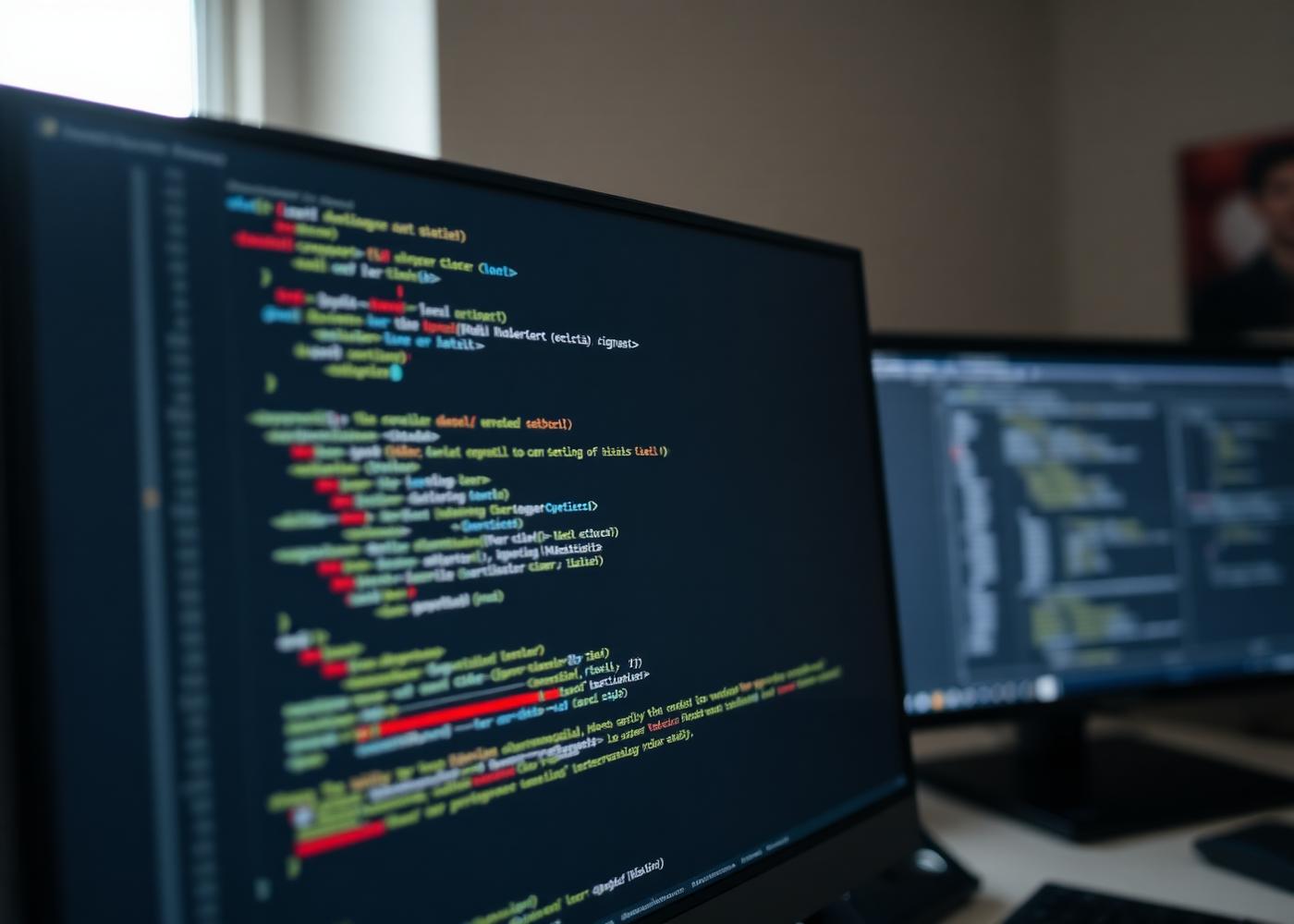
Most of a system's cost arrives after launch, in the changes nobody planned. We write for that period: clear module boundaries, meaningful tests, dependencies chosen with their maintenance in mind, and version control history that explains itself.
Cloud & infrastructure
Infrastructure is defined in configuration that lives alongside the application, so an environment can be rebuilt from source rather than reconstructed from memory. Capacity is matched to observed usage, and cost is a design input rather than a monthly surprise.
Migration work is planned with rollback in mind, and monitoring is put in place before the traffic moves, not after.
Security approach
Access is granted narrowly and reviewed when roles or systems change.
Credentials live in managed stores, never in source control or shared documents.
Third-party packages are tracked, updated and removed when unused.
Changes, deployments and administrative actions leave a record that can be inspected.

Data & integration
Integration problems are usually definition problems. Before writing connectors we agree what an entity means in each system, which source is authoritative, and what should happen when the two disagree.
From there the technical work is ordinary: documented interfaces, validated payloads, idempotent processing, retry behaviour that does not duplicate records, and pipelines that fail loudly instead of silently dropping rows.
Stage 01
We map the current situation: systems in use, data that matters, constraints, and the outcome the work is expected to produce.
Stage 02
Scope is written down as concrete deliverables, boundaries and acceptance criteria before implementation begins.
Stage 03
Work proceeds in reviewable increments, with automated checks and short feedback loops rather than a single large handover.
Stage 04
Release, observation and correction. Documentation and access are handed over so the result can be run without us.
A system that worked at a smaller scale and now needs restructuring rather than patching.
Work that is currently carried by spreadsheets, exports and re-keying between tools.
Environments assembled over time, where nobody can say what is running or why.
Numbers that differ depending on which system produced them.
Applications running on unsupported dependencies or platform versions.
No current view of access, exposure or third-party components in use.
Technology principles
The straightforward solution is preferred unless a measured constraint requires something more elaborate.
Tooling is selected for maturity, documentation and long-term support, not novelty.
Architecture is arranged so that individual choices can be replaced without rewriting the whole system.
Interfaces, environments and operational steps are documented as part of the deliverable.
Quality is what remains when the deadline is over: software that can be understood, operated and changed by people who were not in the room when it was written.
Review, automated testing and defined acceptance criteria on every deliverable.
Access control, secrets management and dependency review as standing practice.
Monitoring, documented recovery steps and rollback paths planned before release.

Communication is written, direct and regular: what changed, what is next, what is blocked. Decisions with long-term consequences are recorded with their reasoning, so a future team can see why a system looks the way it does. Work is handed over completely — there is no dependency on us to keep it running.
Contact
Further detail is available on the contacts page.